
Elves are among the oldest races of the Ulvenor world. Their history goes back deep into the times when most other peoples were just looking for their place in the wild and untamed landscape. It was the elves who were among the first to begin recording history using writing, building cities and creating a culture that lasted for centuries. Thanks to their longevity, they have time to perfect their art, knowledge and philosophy in a way that is almost unimaginable to short-lived races. Elven civilization has always grown in close connection with nature. Forests, rivers and ancient mountains are not just habitats for elves - they are part of their identity. They believe that nature is a source of balance and wisdom, and many of their mages learn to draw power from these ancient forces of the world. Their homeland lies primarily in the south of Ulvenor, where great elven kingdoms have been established for millennia. However, with the advent of the Empire, the balance of power changed. Some elven territories were conquered, others remained independent, but no elf could overlook the fact that the old world had begun to change. The Great War between the Elves and the Empire rocked both sides. Although it ended in a long and fragile peace, it left deep scars in the memory of the elven nation. Many elves then understood the painful truth - even ancient races cannot remain the same forever. The world is changing, and those who do not adapt may eventually disappear like the forgotten empires of the past.
Elves originated in forest biomes rich in resources, a relatively stable climate, and strong ties between living matter and natural energy. Their tall stature, extreme longevity, and extraordinarily efficient physiology are the result of a long evolution in an environment that favored fine body regulation over brute force.
an early centralized monarchy
The Elves were the first race to go beyond a purely tribal society to form a true kingdom with a dynasty, territorial administration, and an early form of hierarchical monarchy. This made them the first true power of Ulvenor and for a long time the pinnacle of humanoid civilization.
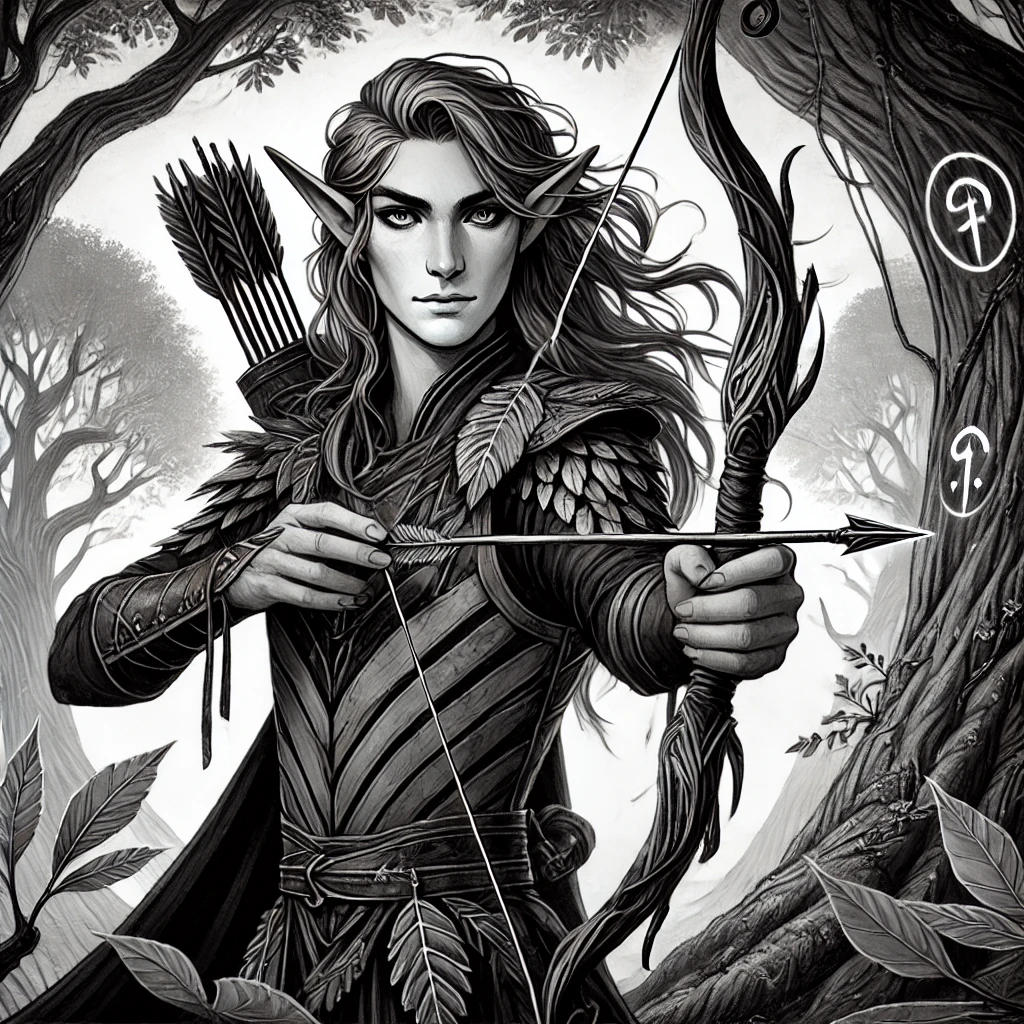
Wood elves are the most numerous subrace of the elven nation. Their home is the deep groves and ancient forests that stretch both within and beyond the borders of the Empire. Their cities often blend in with the surrounding nature – they are hidden between the branches of huge trees or carved into the roots of ancient forest giants. During the Great War, the Wood Elves were on the front lines of resistance against Imperial expansion. Instead of open battles, they relied on guerrilla warfare, ambushes, and a perfect knowledge of their environment. Although this strategy gradually weakened the strength of the Empire, it cost the Wood Elves a terrible price. Many clans were destroyed and entire forests turned into battlefields. Today, the Wood Elves are primarily trying to restore their culture and protect the remnants of their ancient forests. Many of them still remember the war and know well what consequences open conflict can have. Therefore, they are often cautious, vigilant, and determined to defend their home should anyone desire to retake it.
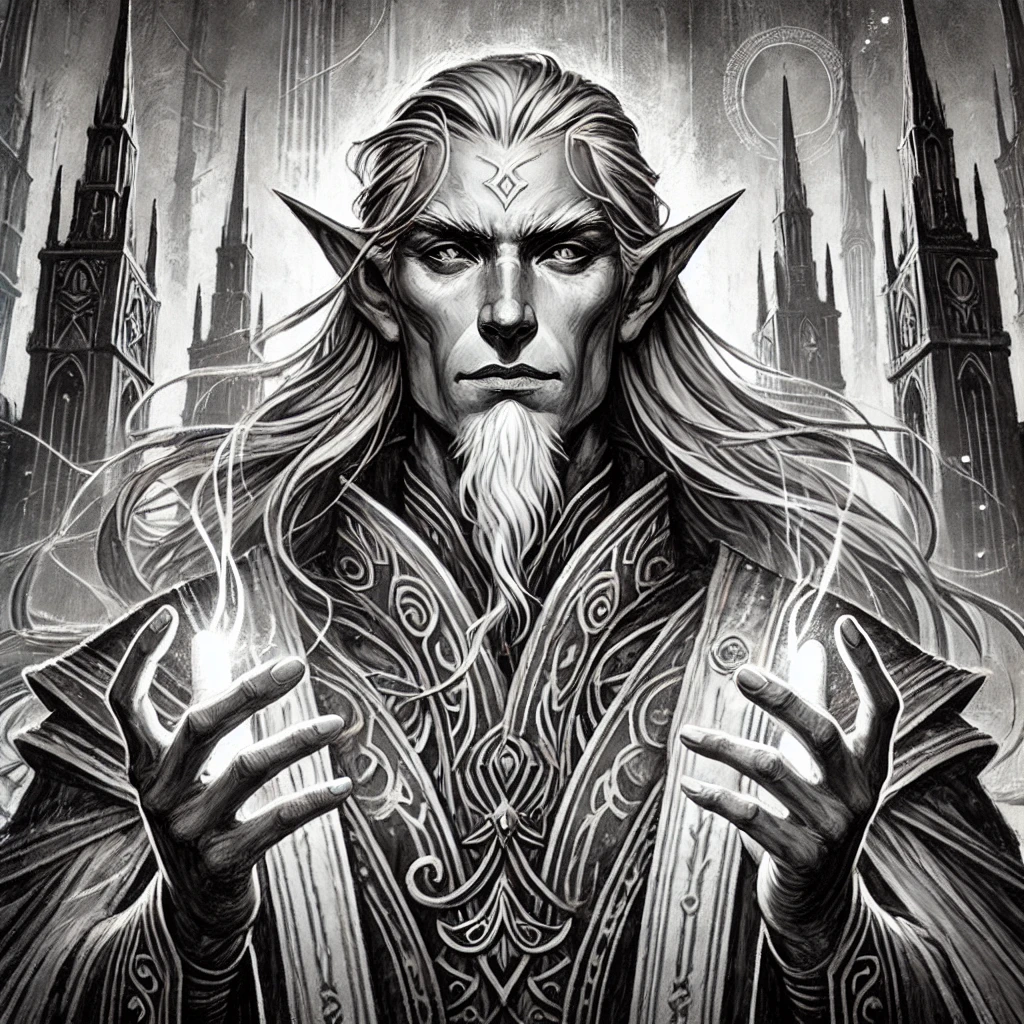
High elves consider themselves descendants of the oldest elven houses. According to ancient legends, it was their ancestors who created the first great elven kingdom in the south of Ulvenor - an empire that has endured through all the storms of history to the present day. According to tradition, the blood of the goddess Sylvara, the first ruler of the elves and protector of nature, should flow in their veins. This belief gave rise to a sense of specialness that has accompanied the High Elves for centuries. Their courts are full of learning, art and ancient traditions that are carefully passed down from generation to generation. However, this pride came at a price. For a long time, the High Elves considered humans to be insignificant and incapable creatures, but when magic and new forms of power began to flourish in the human Empire, they realized how deeply mistaken they were. The Great War definitely destroyed this illusion. Since then, the high elves have been trying to be more cautious. They still retain their pride and ancient culture, but they have learned one important lesson: no race can be considered insignificant, and no power lasts forever.
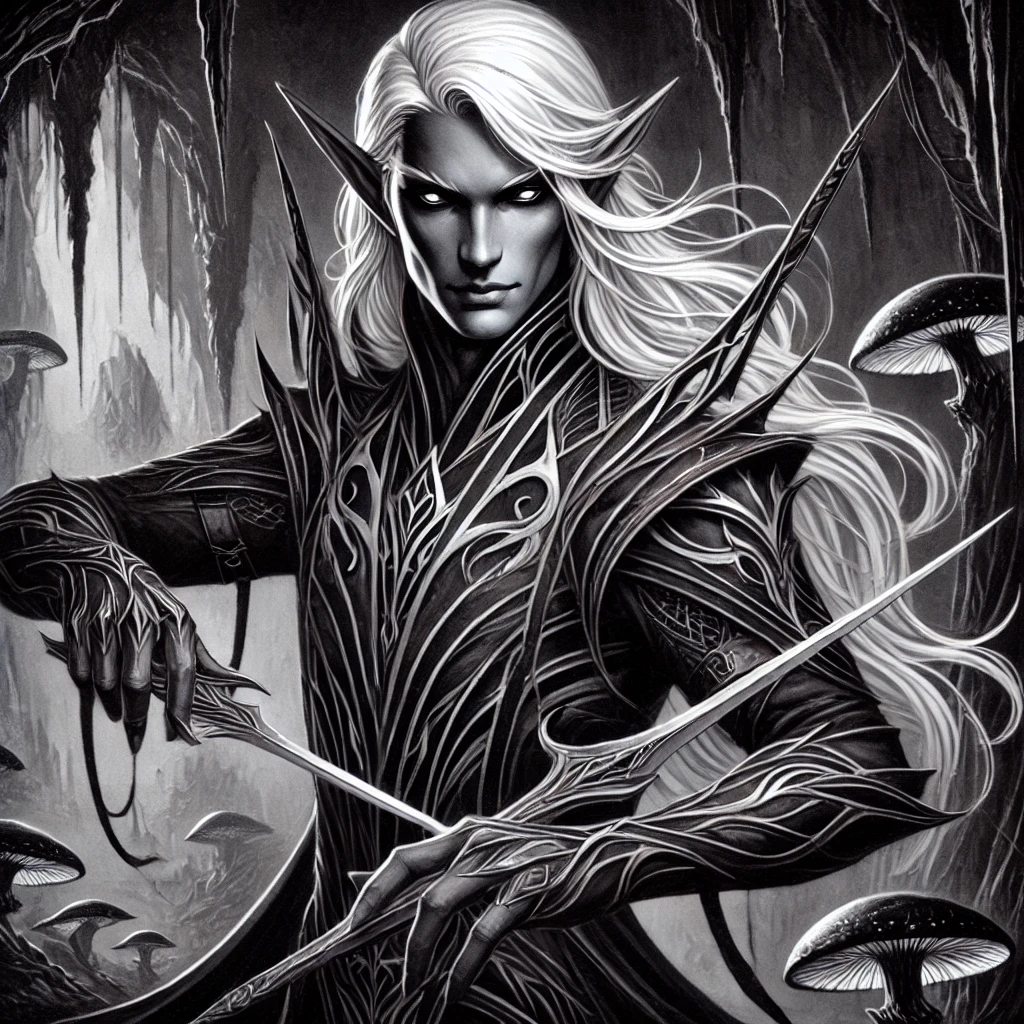
Dark elves, often called drow, represent the most mysterious and at the same time the most feared subrace of the elven nation. Their home is the remote regions of southern Ulvenor, primarily the barren deserts of Umbra Profunda and the dark sea coast of Thal Veyr. Elven legends tell that it was the drow who once rejected the rule of the goddess Sylvara. They left the First Kingdom and set out to find their own way. According to the myths, the goddess cursed them for this act - their once fair elven skin darkened to shades of gray and ashen, forever distinguishing them from other elves. This change was more than a sign of exile. In the hot deserts of the Southeast, their dark skin became another obstacle to survival. The harsh conditions of their home made them extremely capable and dangerous individuals. They are masters of stealth, intrigue and manipulation. Although little is known about them, in the course of history it has happened many times that the dark elves were behind coups, revolutions or the fall of rulers in foreign lands - where the drow move in the shadows, history often begins to be written in a completely new way.