
Centaurs are among the most remarkable peoples of the world of Ulvenor. Their bodies combine the strength of a horse and the intelligence of a human, making them both natural warriors and tireless travelers. They are nearly unbeatable on the open plains – their speed, endurance, and ability to strike with the fury of a storm make them adversaries that most armies prefer to avoid. Today, centaurs are primarily associated with the Great Plains, where they live in numerous tribes and wage constant battles for territory and influence. However, their history goes much further east, to the landscape known as the Yellow Plains. It was there, according to old legends, that they arose - the result of a special magic that was supposed to combine the power of horses and the mind of people into one new nation. After several centuries of living in these remote regions, however, a change came. The climate worsened, the soil ceased to be fertile, and entire tribes of centaurs were forced to embark on a long migration westward. After many generations of wandering, they eventually settled on the southern part of the Great Plains. But the plains have long been inhabited by kobolds, who created their own community here. Since then, there has been an endless conflict between the two nations for supremacy over the plains. Centaurs, however, believe their destiny is greater than mere survival. Many dream of the day when their nation will unite and form an empire that can show the world that centaurs are not just a strange experiment in ancient magic, but a true force in history.
Centaurs did not come about by natural evolution. They are the result of an ancient magical-biological intervention that combined the humanoid intelligence and physical characteristics of great runners. At first they were dependent on other races and often lived in a subordinate position, only later developing their own independent identity.
free nations and defensive territorial communities
Both centaurs and kobolds took a different path in their larger historical development than elves, humans or dwarves. Instead of large kingdoms and complex hierarchies, they created freer nations tied to a specific territory, personal freedom and defense of their own space.
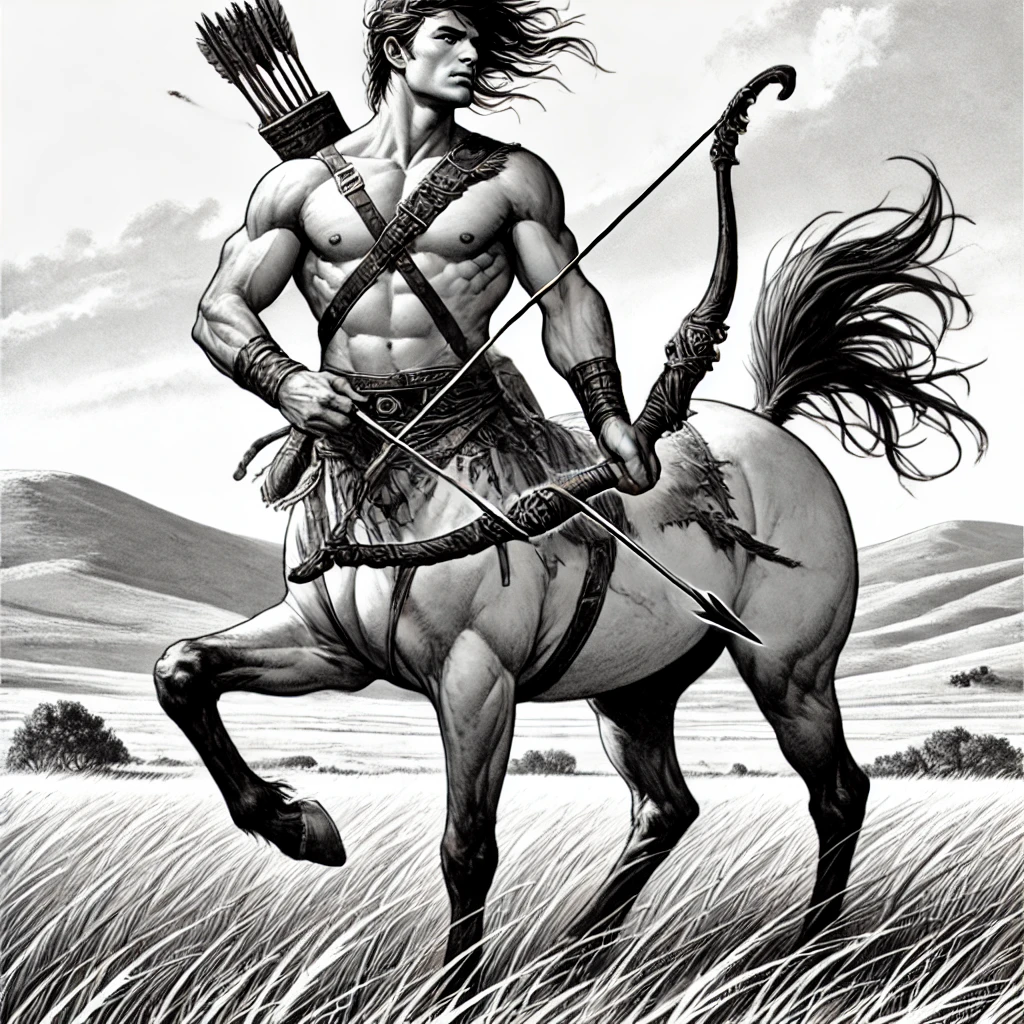
Steppe centaurs make up the largest part of the centaur nation. They live in nomadic tribes that constantly roam the vast plains in search of new pastures, hunting grounds and safe territories for their families. Their life is a constant movement. Tribes move from place to place according to the seasons, food availability, and political disputes within centaur society. Power among them is never fixed - chiefs must constantly prove their strength and authority. The western steppes are an ideal environment for centaurs. The wide plains allow them to use their speed and hunting skills to the fullest. However, in recent decades, their tribes have increasingly moved to the northern part of the Great Plains. And that's where the problems start. These lands have belonged to kobolds for generations. Clashes between the two nations are therefore becoming more and more frequent and bloody. Sometimes the centaurs win, sometimes the kobolds - and neither side has yet been able to gain a decisive advantage. The question remains whether the centaurs will ever manage to push the small lizard peoples out of the plains and dominate this endless region.
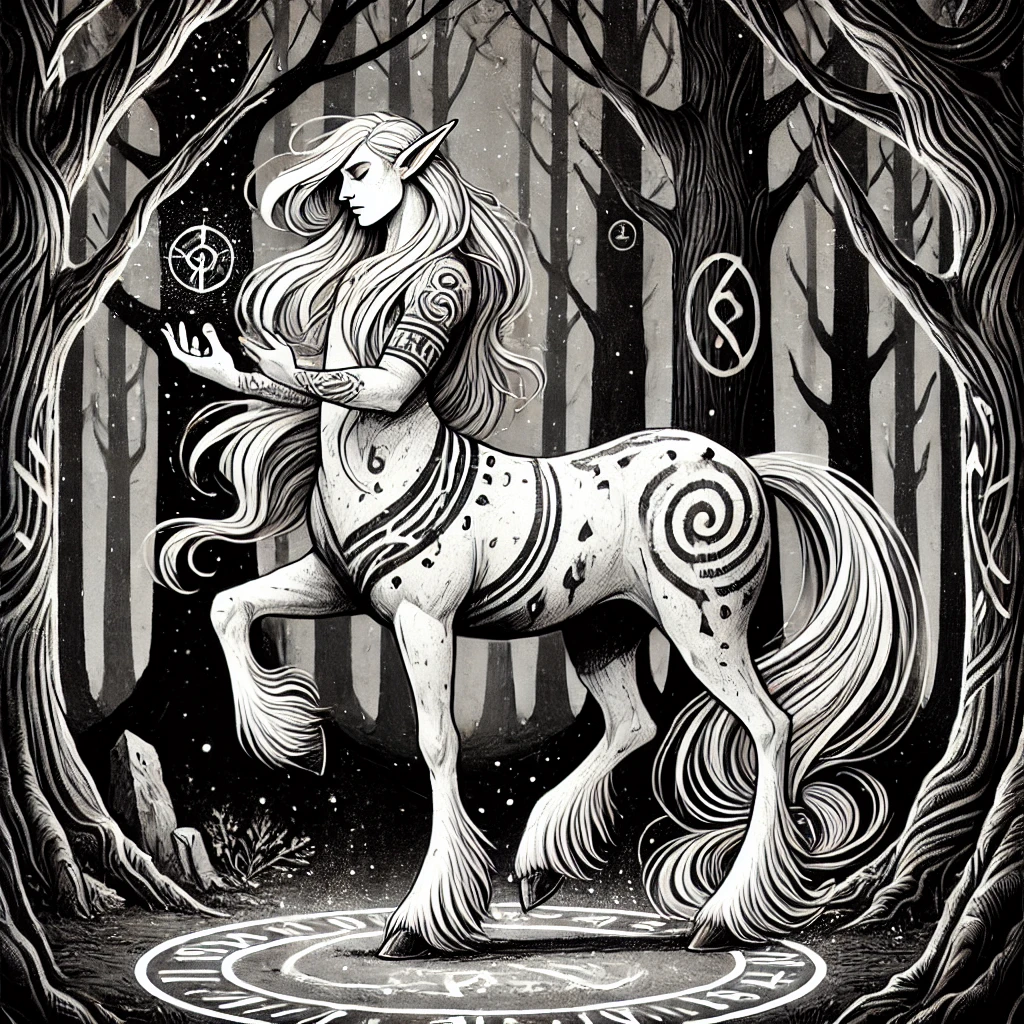
Forest centaurs are slightly smaller and calmer than their steppe relatives. They live mainly in the south of the Great Plains, in the landscapes where the grassy plains gradually turn into forests and where the elven territories begin. It was here that an unusual alliance between the two nations was formed. The forest centaurs learned a lot about nature, the spiritual world and magic from the elves. Thanks to this, the tradition of shamans and nature magicians, who can listen to the voice of the forest and the earth, spread among them. Unlike steppe tribes, forest centaurs are less aggressive and try to maintain a balance between nature and their lives. For a long time they tried to remain neutral even during the Great War. In the end, however, they could not maintain neutrality. Seeing how the war was destroying their elven allies, they decided to join the conflict. In several battles, they managed to capture the imperial mages and gradually learned to master some of their spells. This new knowledge made them very dangerous opponents for the Imperial armies. After the war ended, the elves gave them part of the territory as a reward for their help. To this day, the forest centaurs guard the southern borders of the Great Plains and maintain their old alliance.
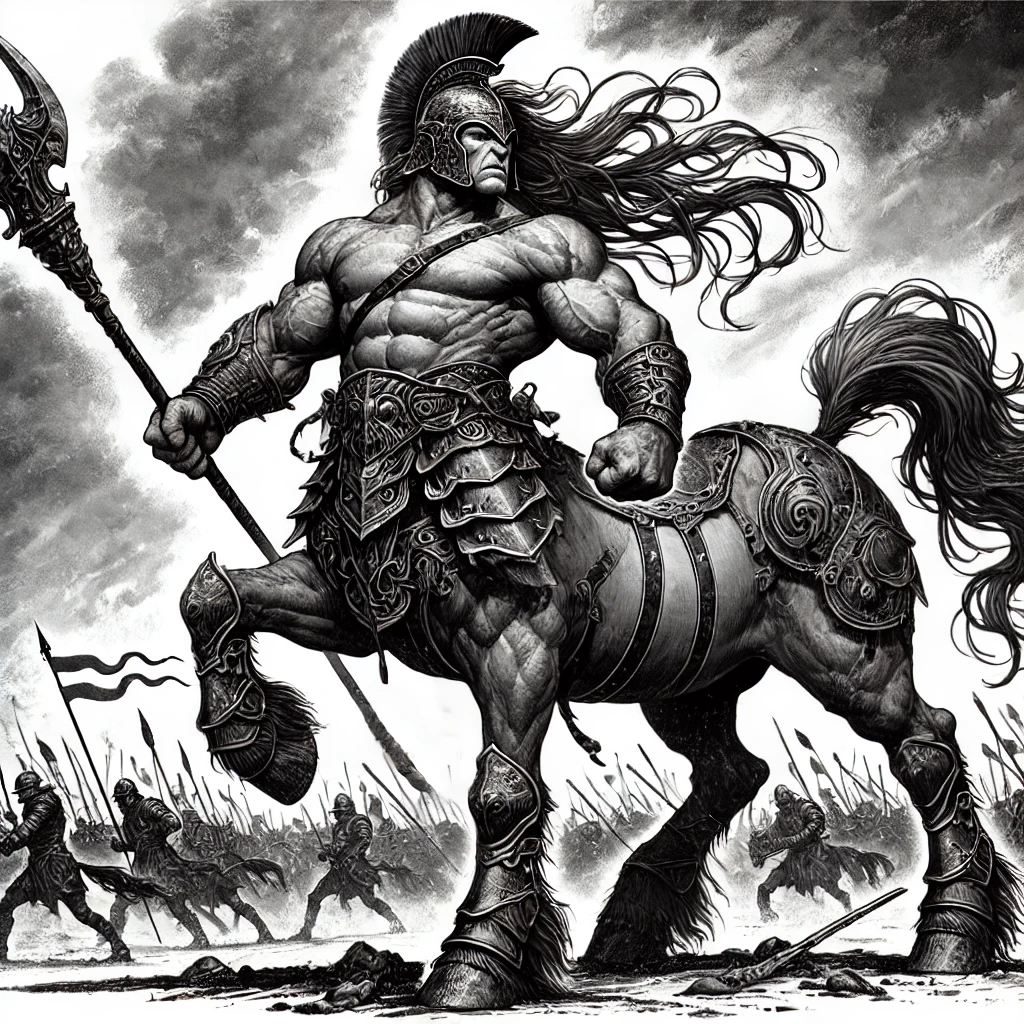
Eastern centaurs are not a classic subrace, but rather a special tradition of warriors that originated back in their old homeland on the Yellow Plains. These centaurs were trained to fight from a young age, and their tribes placed great emphasis on discipline, training, and martial honor. Compared to others, they tend to be bigger, stronger and often better organized. Their most feared weapon is the long spear, which they can use with devastating force when at full blast. The attack of the eastern centaur squad resembles a storm that sweeps away everything in its path. For many years they were hired as mercenaries by the various nations of Ulvenor and their reputation grew with each battle. However, during the Great War, they decided to side with the Empire. This decision brought them into direct conflict with their own relatives in the west. The consequences of this decision are still felt today. Eastern centaurs are considered outcasts or traitors by many western tribes and are rarely accepted among them. Still, they have one advantage that no one can take away from them. It is they who still live today in the lands where the story of the entire centaur nation began long ago.